Preparing Your School for the New Academic Year: Beyond Textbooks and Static Labs
Education Technology, Back to School EdTech Nigeria, School Digital Readiness
Preparing Your School for the New Academic Year: Beyond Textbooks and Static Labs
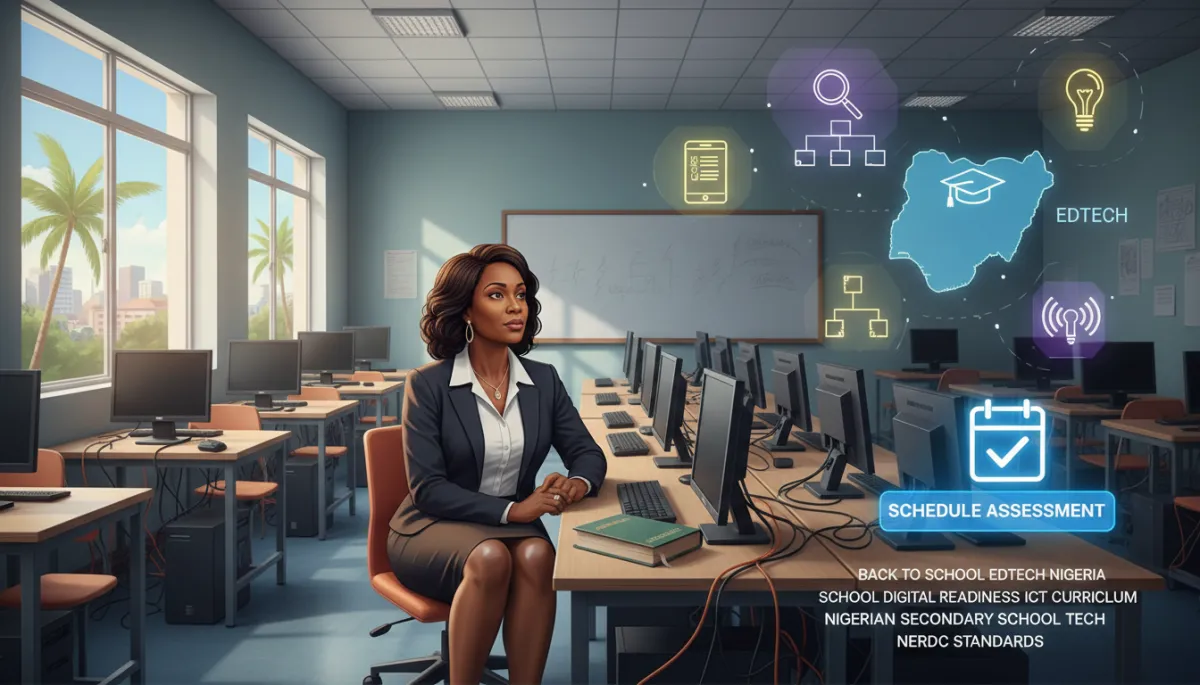
It is late August in Port Harcourt. The corridors are quiet, the classrooms are dusted, and in one corner of the school sits an empty computer lab. Mrs. Ebere, the school proprietor, walks slowly between the rows of monitors, wondering how to make ICT classes truly come alive this session. If this scene feels familiar, you are not alone this is the new reality of back-to-school edtech in Nigeria.
Mrs. Ebere’s August Dilemma: When “Good Enough” No Longer Is
Every year, just before resumption, Mrs. Ebere faces the same questions: Are our ICT lessons still relevant? Are these computers more than just exam practice tools? Are we really preparing our students for the digital world beyond WAEC and NECO? This is the heart of school digital readiness, and it goes far beyond buying a few new systems or repainting the lab walls.
Across many Nigerian secondary schools, especially in cities like Port Harcourt, ICT labs look impressive on the surface but feel static in practice. Students memorize definitions, copy diagrams from outdated textbooks, and perform the same tired “create a folder” exercise again and again. Meanwhile, the world outside is moving at the speed of cloud computing, AI tools, and digital entrepreneurship. The gap is widening and school leaders like Mrs. Ebere can feel it.
The Annual Struggle with Outdated Textbooks and Static Content
One of Mrs. Ebere’s biggest frustrations is the annual dilemma of outdated textbooks. Every new session, the same questions come up in meetings with ICT teachers:
Should we keep using this ICT textbook even though the screenshots look like Windows XP?
Do we invest in a new set of books that may still not cover coding, online safety, or digital creativity?
How do we balance exam requirements with real-world digital skills?
Textbooks are important, but in ICT, they age quickly. A book written five years ago may not mention cloud storage, mobile app ecosystems, or even the latest social media platforms your students use daily. Relying solely on these texts turns ICT into a history lesson instead of a living hands-on experience. For any Nigerian secondary school tech program to stay relevant, content must be updated, flexible, and connected to real tools students can touch and explore.
💡 Pro Tip: Treat ICT textbooks as reference guides, not the full curriculum. The real “textbook” should be a mix of curated digital resources, practical projects, and guided exploration.
Step One: Conducting a Practical ICT Infrastructure Audit
Before Mrs. Ebere can transform her lab, she needs to know exactly what she is working with. This is where a simple but thorough ICT infrastructure audit comes in. Think of it as a health check for your digital environment before the new term begins, a key part of true school digital readiness.
A practical ICT audit in a Port Harcourt school might include:
Hardware inventory: How many computers actually work? Which ones are too slow for modern software? Are there enough functional systems per class size?
Connectivity check: Is internet access reliable? What is the average speed? Can multiple students be online at once without the network collapsing?
Software and tools: Which applications are installed? Do you have office suites, browsers, basic design tools, or coding environments suitable for your ICT curriculum in Port Harcourt?
Power and safety: Are there surge protectors, backup power solutions, and basic safety guidelines posted for students and teachers?
The outcome of this audit should be a clear, honest picture: what you have, what is missing, and what can be upgraded gradually. This prevents expensive guesswork and helps you prioritize. Maybe you do not need twenty new systems this term; perhaps you just need to reconfigure the existing ones, add a few key software tools, and introduce structured digital projects.

A simple ICT audit often reveals quick wins before heavy investments.
Aligning Lesson Plans with NERDC Standards Without Killing Creativity
For many ICT teachers, the phrase “aligning lesson plans with NERDC standards” sounds like a paperwork burden. But it does not have to be. In fact, when done well, it becomes a powerful roadmap for designing engaging, exam-ready, and future-focused ICT experiences.
The NERDC curriculum outlines what students in Nigerian secondary schools should know at each level; definitions, concepts, and basic skills. The opportunity for a school like Mrs. Ebere`s is to treat those standards as the minimum, then build upward with richer and more practical activities. For example:
If NERDC requires “introduction to the internet,” you can go further by having students practice safe browsing, evaluate websites, and create simple online research projects.
If the standard says “basic word processing,” you can turn it into a mini-publication project were students design school newsletters or club flyers.
When the curriculum mentions “programming concepts,” you can introduce block-based coding tools or simple text-based exercises that match your lab’s capacity.
By mapping each NERDC topic to at least one hands-on activity, your ICT curriculum in Port Harcourt becomes both compliant and compelling. Students still prepare for national exams, but they also build confidence using real tools; typing, designing, researching, coding, and collaborating in ways that feel meaningful.
📌 Key Takeaway: Start your lesson planning with NERDC topics, then ask: “How can students do this, not just define it?” That simple question transforms static lessons into dynamic projects.
From Computer Literacy to Digital Skills: What Parents Now Expect
Today’s parents in Port Harcourt and across Nigeria are more digitally aware than ever. Many work in banks, oil and gas, logistics, or run online businesses. When they hear “ICT” on your prospectus, they imagine their children learning real-world digital skills: creating presentations, designing graphics, learning basic coding, understanding cybersecurity, and exploring online research. They no longer see ICT as just another subject, they see it as a pathway to opportunity.
This is why simply having a lab and a timetable slot is no longer enough. A modern Nigerian secondary school tech program needs structure, progression, and visible outcomes. Parents want to see projects, portfolios, and confident students who can actually use technology, not just talk about it. When your school can demonstrate this, ICT moves from being a cost center to a powerful differentiator in a competitive school market.
How NDI Helps Schools Launch Practical Digital Skills Programs
This is exactly where NDI comes in. While Mrs. Ebere has passion and a lab, she needs a partner that understands back to school edtech in Nigeria from the ground up curriculum, infrastructure, teacher capacity, and student engagement. NDI supports schools like hers to move from “we have computers” to “we run a structured digital skills program that parents and students love.”
Here are some of the ways NDI typically works with schools:
Pre-term digital assessments: A guided ICT infrastructure and readiness audit, tailored to your school’s size, budget, and location (including Port Harcourt and other Nigerian cities).
Curriculum design and mapping: Aligning your ICT scheme of work with NERDC requirements while layering in project-based digital skills modules; coding, digital media, online research, and more.
Teacher training and support: Coaching ICT teachers to deliver interactive lessons, manage labs effectively, and use simple tools to track student progress and showcase outcomes.
Student-focused programs: Structured digital skills pathways for different year groups, so JSS1 students do not receive the same content as SS3, and everyone can see clear progression.
With NDI, schools move from reactive, last-minute ICT planning to a confident, strategic approach. Instead of scrambling to update lesson notes in week one, you walk into the new academic year with a clear roadmap, trained teachers, and a realistic improvement plan for your lab and curriculum.
💡 Pro Tip: You do not need to overhaul everything at once. Start with one term, one year group, and one or two high-impact digital skills modules. Build from there with NDI’s support.
Turning an Empty Lab into a Thriving Digital Classroom
Imagine Mrs. Ebere`s lab again but this time in October. The room is buzzing. One group of students is creating a simple school website mock-up. Another is working on a digital poster about online safety. A third group is experimenting with basic coding challenges. The teacher moves confidently from station to station, guided by a clear scheme of work that blends NERDC topics with modern digital skills. Parents see projects during open day and talk about how “this school’s ICT is different.”
This transformation does not happen by accident. It starts with an honest look at your current reality, a structured plan for improvement, and the right partner by your side. As the new academic year approaches, you have a choice: repeat the same cycle of outdated textbooks and static labs or step into a new season of purposeful, engaging, and future-ready ICT education.
Ready to Reimagine ICT Before Your Students Return?

If you are a school proprietor, principal, or ICT coordinator in Port Harcourt, or anywhere in Nigeria this is the perfect moment to act. Do not wait until week three of the term, when timetables are fixed and teachers are overwhelmed. Use this pre-resumption window the way Mrs. Ebere is choosing to use hers: to plan intentionally, audit honestly, and partner wisely.
NDI is ready to walk with you through that process from infrastructure checks and curriculum alignment to launching real digital skills programs that make your ICT lab the heartbeat of your school’s innovation. Let this be the year your ICT narrative changes from “we have a lab” to “our students are digitally ready.”
[Schedule a Pre-Term Digital Assessment with NDI]
Take the first step toward a more vibrant, engaging, and future-focused ICT program today. Your students and your school’s reputation will thank you all year long.
