STEM Coaching in Niger Delta: Growing Young Innovators
STEM Coaching in the Niger Delta: How Three OGS Students Turned a Local Challenge into an Award-Winning Innovation
Nigeria's crude oil pipelines are critical to the country's economy. Yet pipeline vandalism, illegal tapping and oil bunkering continue to present serious challenges, threatening infrastructure, damaging the environment and affecting communities that depend on their surroundings for their livelihoods.
Addressing these challenges requires more than policies and enforcement. It also requires fresh ideas, technological thinking and a generation of young people equipped to develop practical solutions.
What if some of those solutions could come from secondary school students in the Niger Delta?
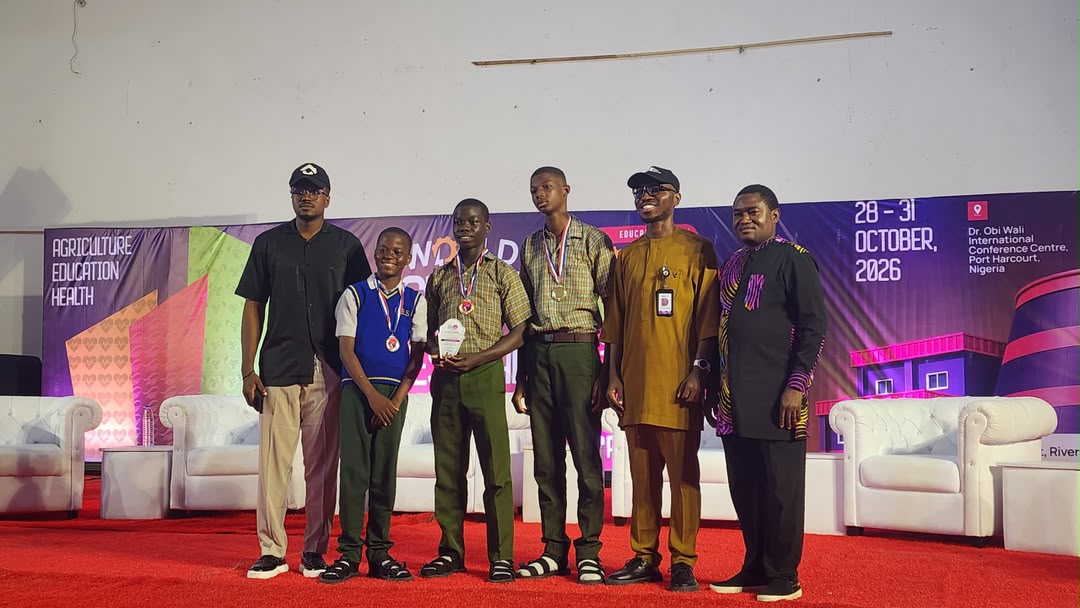
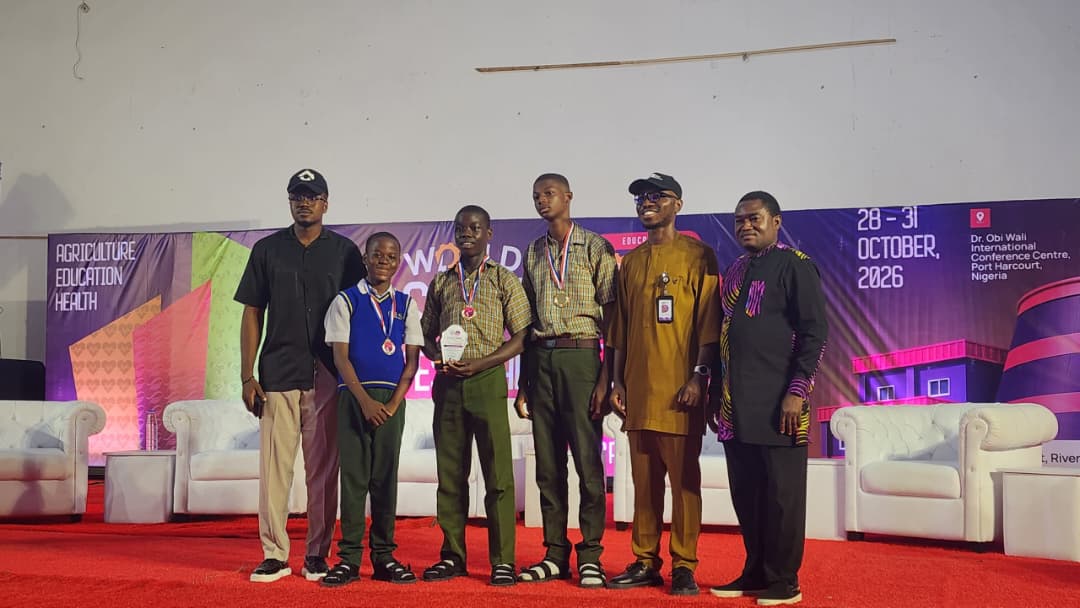
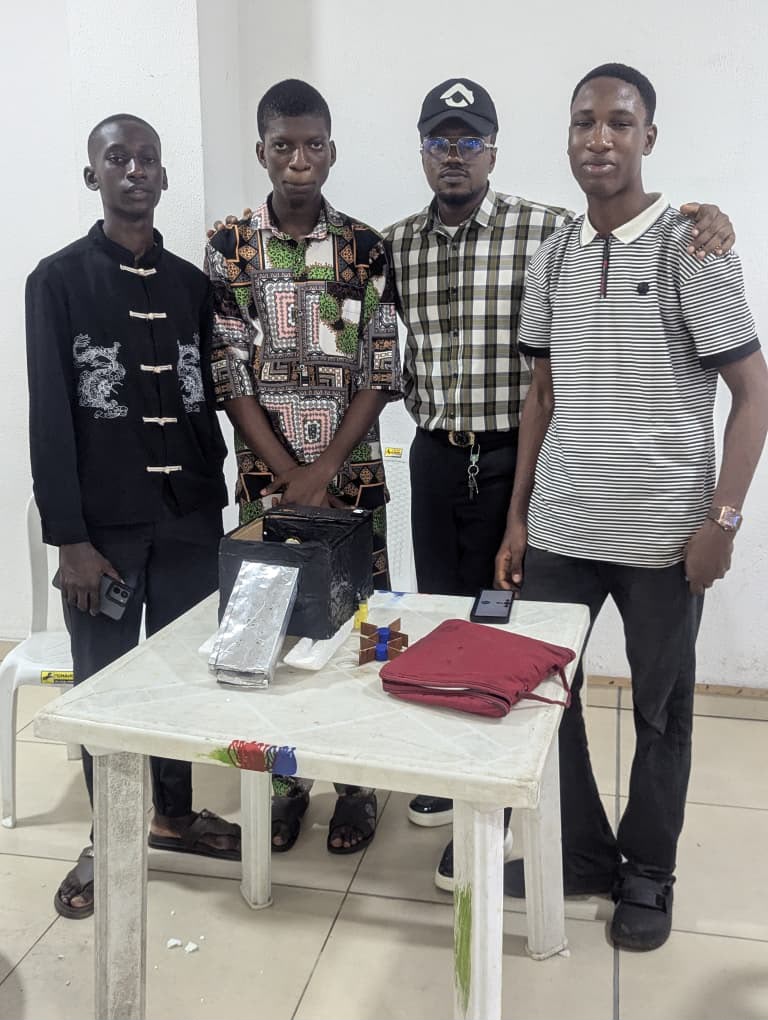
At Okrika Grammar School (OGS), three students; Wisdom Finuma, Nengi Lasbery People and Samuel George have demonstrated what young innovators can achieve when they receive the opportunity to explore science, technology, engineering and mathematics.
Their team, Tech Vanguard, secured 1st Place in the Robo-Open Category at the World STEM Festival 2026 with a crude oil pipeline vandalism monitoring system.
The achievement is more than a competition result. It highlights the importance of practical STEM learning and the opportunities created when students receive structured guidance, coaching and encouragement.
Through its STEM coaching support for the OGS Technovation Club, Niger Delta Innovate (NDI) is contributing to an environment where students can move beyond learning about technology and begin exploring how to use it to address real-world challenges.
This is what meaningful STEM education in Nigeria should encourage: young people who do not simply consume technology but learn to create with it.
Who Is Niger Delta Innovate (NDI)?
Niger Delta Innovate (NDI) is a registered nonprofit organization focused on expanding access to digital technology education, vocational skills, STEM learning and career development for young people and educators across the Niger Delta.
NDI works with schools, teachers, students and communities to make technology education more practical, accessible and relevant to the needs of Nigerian learners.
Its programmes cover several areas, including:
- STEM and Technovation: Robotics, coding, web design, data science and artificial intelligence.
- Digital Technology Education: Structured technology instruction for secondary school students.
- Teacher Development: Training and support to help educators deliver technology education effectively.
- Curriculum and Learning Resources: Educational materials that support the teaching and learning of Digital Technology.
- Vocational Technology Skills: Practical training in areas such as GSM and computer repair.
NDI's vision is a Niger Delta where every young person has access to the technology education and skills needed to participate in the digital economy.
The organization's work already includes technology education partnerships with schools across the region. Its published impact information highlights engagement with more than 11 partner schools, the establishment of a robotics laboratory at Okrika Grammar School and the development of a JSS1-SS3 Digital Technology curriculum and textbook series.
These efforts reflect an important belief: access to technology education should not be limited by a student's location or the resources available in their community.
For NDI, STEM coaching in the Niger Delta is part of a wider commitment to building the knowledge, confidence and practical abilities that young people need to participate in the future of work and innovation.
What Is STEM Coaching, And Why Does It Matter More Than Just Computer Classes?
STEM stands for Science, Technology, Engineering and Mathematics. These subjects are connected by a common purpose: helping learners understand how the world works and how knowledge can be applied to solve problems.
However, effective STEM education goes beyond teaching students definitions, formulas or how to operate a computer.
There is a difference between learning about technology and learning to build with it.
A student may understand what a robot is, recognize its components or explain how a computer works. STEM coaching takes that learning further by giving the student opportunities to experiment, design, test ideas, identify mistakes and improve a solution.
Through practical coaching, students learn to:
- Approach problems with curiosity and logical thinking.
- Apply scientific and mathematical concepts to practical activities.
- Explore robotics, coding and other technology tools.
- Design and develop projects based on real-world challenges.
- Work with other students to achieve shared goals.
- Learn from mistakes and improve their work.
- Present their ideas and communicate how their projects work.
This learning process helps develop more than technical knowledge. It builds creativity, critical thinking, teamwork, resilience and confidence.
These are important abilities for students who may eventually pursue careers in engineering, software development, robotics, data science, artificial intelligence and other technology-related fields.
For schools looking to strengthen STEM education in Nigeria, structured coaching offers a practical way to move beyond classroom theory and give students meaningful opportunities to apply what they learn.
Inside the OGS Technovation Club: How NDI Supports Young Innovators
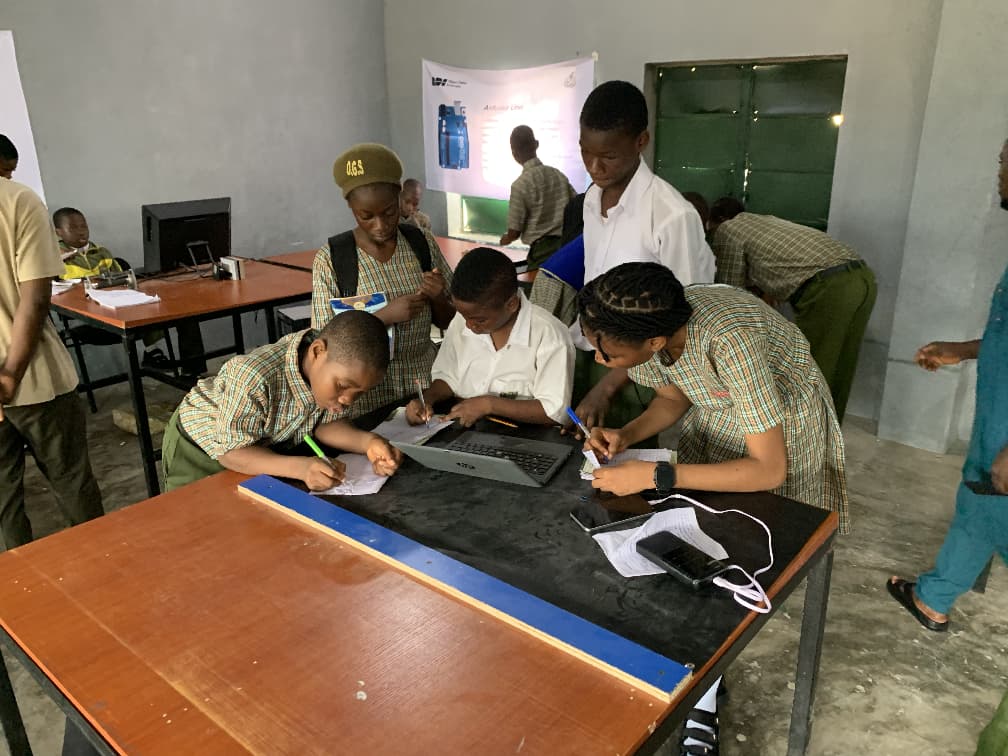
The Okrika Grammar School Technovation Club provides students with an opportunity to explore technology and develop their interest in innovation.
NDI provides STEM coaching to students of the club, supporting their learning through practical technology activities and guided exploration.
Rather than treating technology as something students only read about, the coaching approach encourages them to engage with ideas, experiment with tools and understand how different concepts can be applied.
A typical practical STEM coaching session can involve activities such as:
1. Introducing a concept: Students explore a topic or technology idea, such as robotics, coding or engineering.
2. Identifying a challenge: The coach guides students to think about a problem or task they can address.
3. Exploring possible solutions: Students discuss ideas, consider different approaches and plan what they want to create.
4. Building and experimenting: Learners work through practical activities with guidance and available learning resources.
5. Testing and improving: Students examine what works, identify challenges and make adjustments.
6. Presenting their work: Learners explain their ideas, demonstrate their projects and receive feedback.
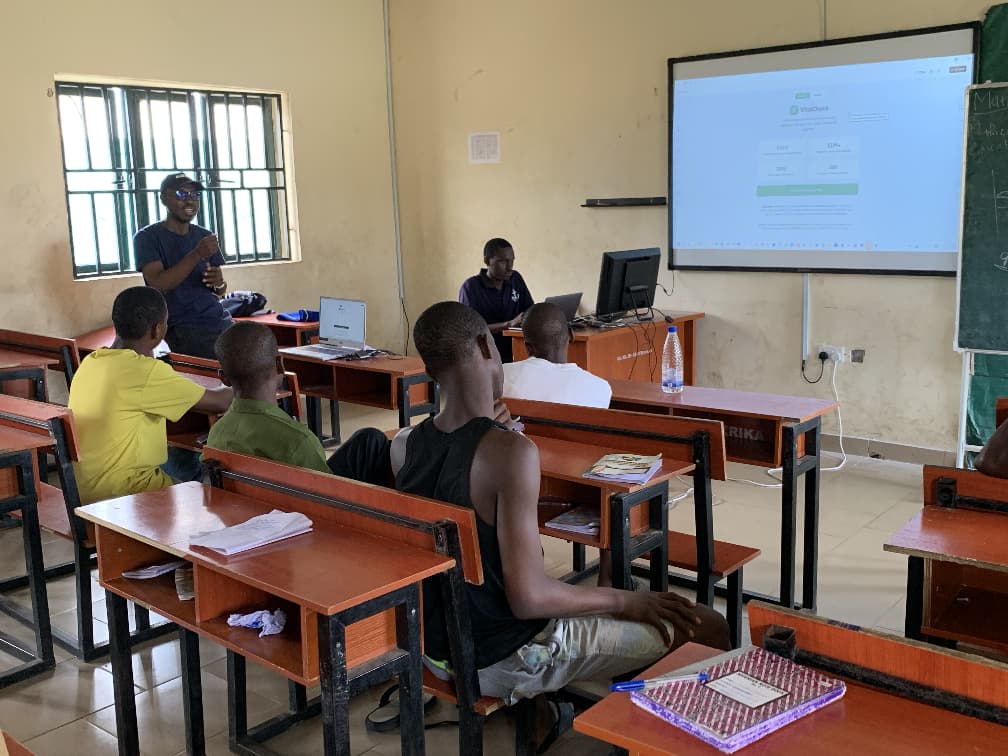
This process creates room for students to learn through participation. It also helps them develop the confidence to ask questions, share ideas and work collaboratively.
The Technovation Club is therefore not just about learning how to use technology. It is about encouraging students to understand technology as a tool for creativity, problem-solving and innovation.
The achievement of Team Tech Vanguard offers an inspiring example of what this kind of learning environment can encourage.
The Winning Project: A Crude Oil Pipeline Vandalism Monitoring System
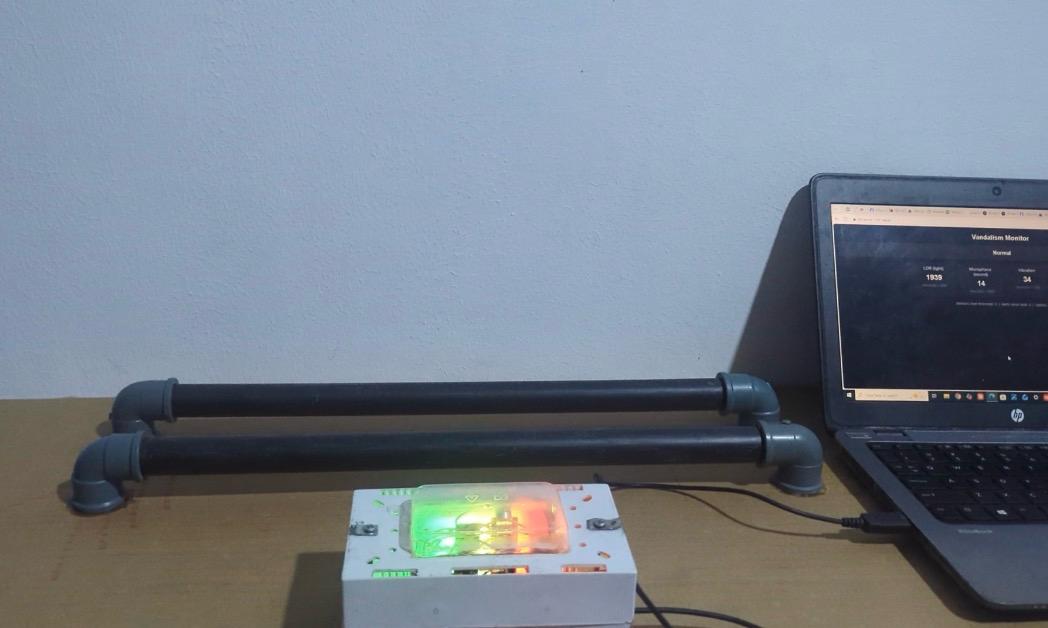
One of the most interesting aspects of Team Tech Vanguard's achievement is the challenge their project addresses.
Crude oil pipeline vandalism is a significant concern in Nigeria. Damage to pipeline infrastructure can lead to oil spills, environmental pollution, economic losses and safety risks for surrounding communities.
Monitoring extensive pipeline networks is a difficult task. It requires effective observation, timely reporting and coordination among the people and organizations responsible for protecting the infrastructure.
Team Tech Vanguard approached this challenge from a technology perspective.
Their project, a crude oil pipeline vandalism monitoring system, explores how technology could support the monitoring of pipeline infrastructure and help identify possible incidents of vandalism.
In simple terms, the idea is to develop a system that can assist in detecting or reporting activities that may indicate interference with pipeline infrastructure.
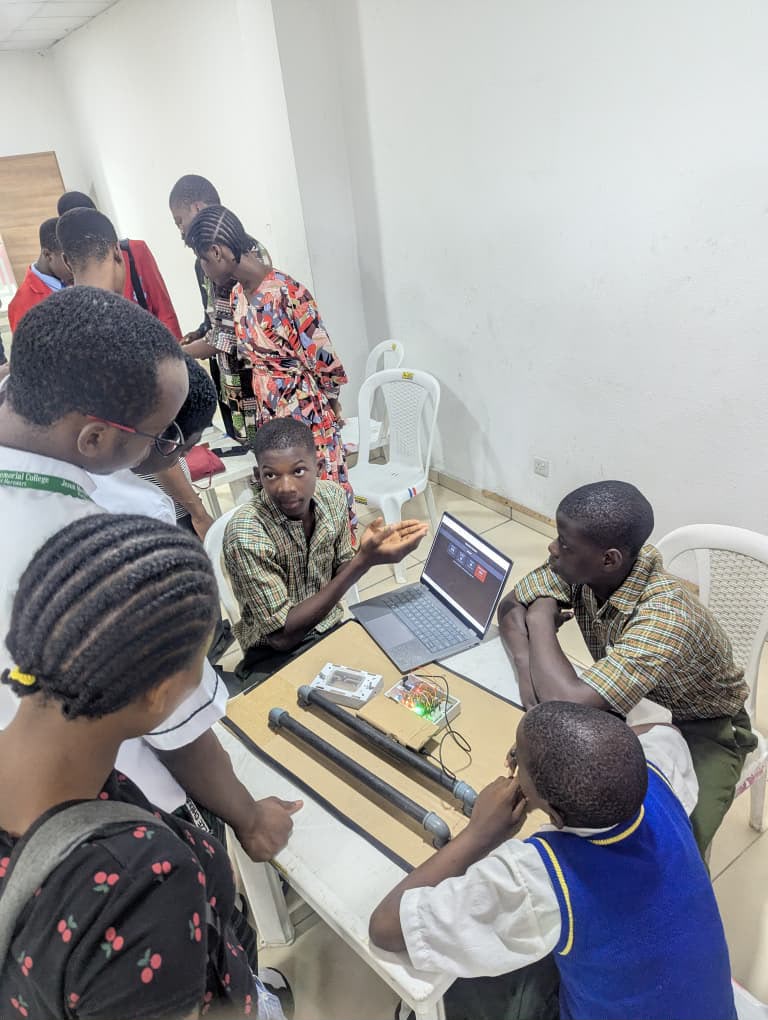
Why does this idea matter?
1. It addresses a real Nigerian challenge.
Rather than developing a project simply to demonstrate technical knowledge, the students selected a problem with direct relevance to Nigeria and the Niger Delta.
2. It encourages technology-driven thinking.
The project demonstrates how students can begin exploring the use of engineering and technology to address challenges in their environment.
3. It opens conversations about smarter monitoring.
Technology-assisted monitoring systems could potentially complement existing pipeline inspection and surveillance arrangements. If properly developed, tested and deployed, solutions of this nature may offer additional ways to identify and report suspicious activity.
4. It creates opportunities for further development.
The project can serve as a starting point for further research, testing and improvement. Questions around reliability, communication, power supply, deployment costs and maintenance would need to be addressed before any real-world implementation.
It is important to distinguish a student project from a fully deployed industrial system. The achievement is the development and presentation of an innovative concept, not proof that pipeline vandalism has already been prevented or that existing surveillance arrangements can be replaced.
Nevertheless, the project demonstrates an important principle: young people can learn to apply technology to problems that matter to their communities.
At Niger Delta Innovate, we believe this potential deserves consistent support.
Through STEM coaching, Technovation, robotics, coding, teacher development and school partnerships, NDI is working to expand access to technology education and help more young people develop the skills to shape the future.
Your school could be the next place where an idea becomes an innovation.
Are you a school proprietor, principal, administrator or education partner interested in bringing practical STEM education to your students?
Partner with Niger Delta Innovate today.
